
Introducing Caden Underwood
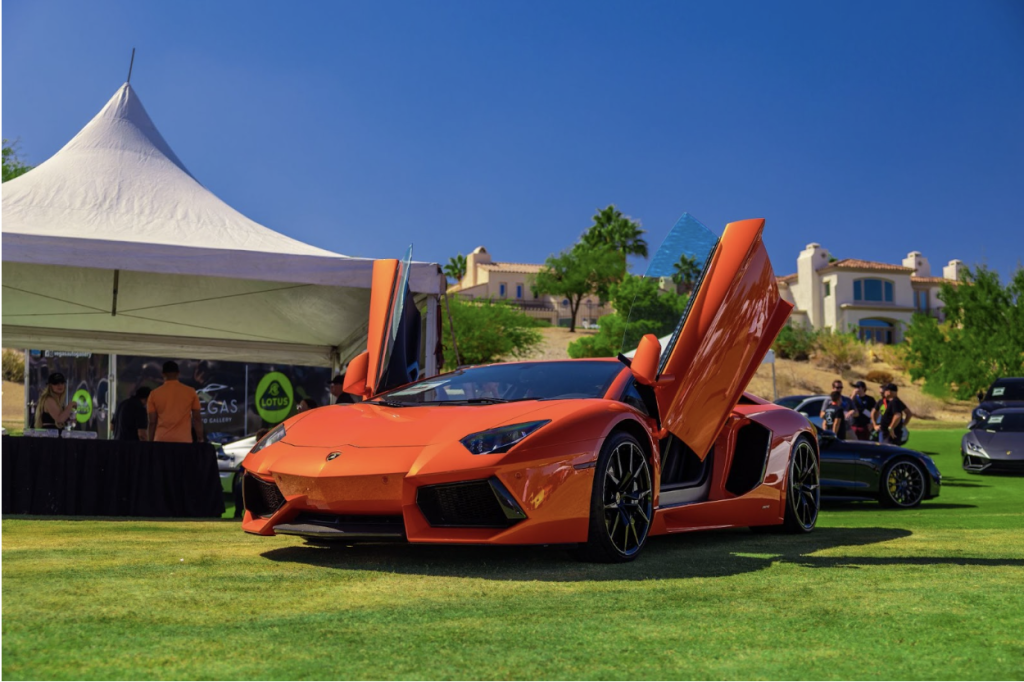
At just 22 years old, Caden has already built a name for himself capturing cars at a level most photographers spend years trying to reach. What separates his work isn’t just technical ability — it’s how naturally he understands the culture behind the machines. He’s multi-talented and internationally published, having spent time in Japan capturing car culture firsthand. That experience shows throughout all of his work, not just on the surface but in how he sees and documents each car. Based out of Las Vegas, Caden has spent the last few years shooting real builds, live events, and cars in their natural environment. He’s just as comfortable behind the camera as he is in the middle of it , at events, connecting with owners, or documenting the story as it unfolds. From building his own YouTube channel to getting his hands dirty and learning how to work on his own cars, he’s extremely well-rounded, deeply passionate, and truly lives and breathes the car world. Spend a little time with his work and it becomes clear that he has a real understanding of the machine, not just the image. @cru_media
Capturing the Energy of Motorsport Through Art: Benzie Art
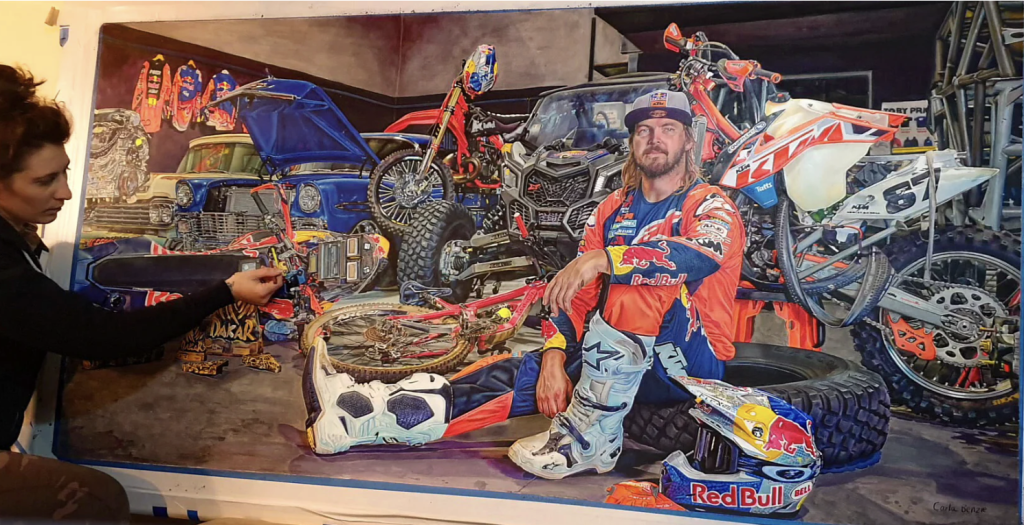
The atmosphere on race day, the tension between competitors, and the raw sounds screaming through the air leave a mark deep in your soul. True enthusiasts know exactly what that feeling is. That’s what first stood out to us when we came across the artwork of Benzie , it gave us that immediate race-day feeling all over again. Looking through her art for the first time, I genuinely thought I was seeing real photos. It wasn’t until I zoomed in that I realized they were paintings, and my immediate reaction was simply, wow this dude is fucking talented! Only later did I realize Benzie was actually a woman which somehow made the discovery even better. Spend a little time with her work and you realize there’s more going on than just technical detail. Her paintings lean into capturing the moment and the raw energy that surrounds it. Many of the vehicles feel like they’re pushing through the canvas, with layered brushwork creating a sense of speed that feels familiar to anyone who has been around race cars. You can explore more of her work here: https://benzieart.com/pages/benzie-racing What makes her work compelling is how closely it reflects the way motorsport is actually experienced. Standing trackside or watching a car accelerate out of a corner isn’t a still image , it’s fast, loud, and exhilarating. What stays with you long after is the feeling Automotive culture has always existed at the intersection of engineering and art. From vintage racing posters to modern design studios, visual storytelling plays a major role in how enthusiasts connect with cars. Artists like Benzie contribute to that tradition by interpreting the emotional side of motorsport rather than simply documenting it. At RAD Motorsports, we believe this creative dimension is an important part of the broader culture. Buying, selling, and building cars is only one piece of the story. Photography, film, design, racing history, and artwork all shape how these machines are remembered. That’s why we enjoy highlighting artists who capture the spirit of motorsport in a distinctive way. If anyone in the RAD community is interested in commissioning a painting of their own vehicle, we’d be happy to help make the introduction. You can also explore more artists, photographers, and creative work featured within the RAD community here: https://radmotorsportsusa.com/culture/ Because in the end, cars are more than machines. They’re part of a culture. Written by Ryan Tracy, RAD Motorsports USA Motorsport has always inspired creative expression.
Art, Film, and the Motor World: Where Machines Become Expression
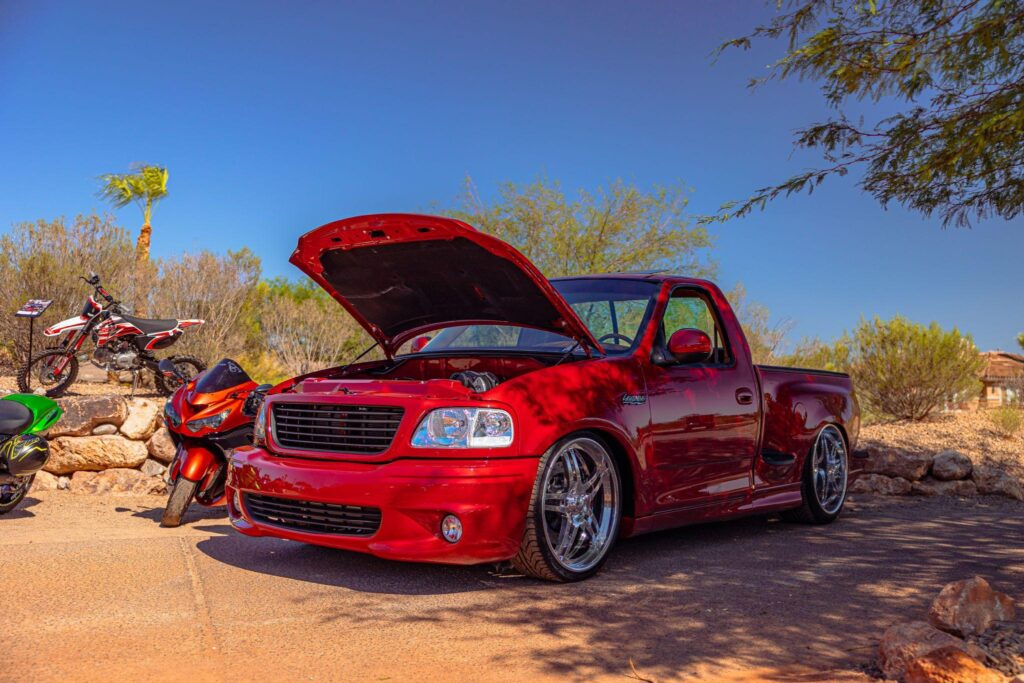
Cars were never just transportation. They were always expression. The way a car sits. The spec. The color. The wheel choice. The sound on cold start. These decisions say something about the person behind the wheel. And that’s where art enters the motor world. Machines Are Moving Sculptures Before social media. Before auctions. Before algorithms. There was design. Automotive design has always lived at the intersection of engineering and art. Proportion, symmetry, tension in body lines — these aren’t accidents. They’re intentional decisions made to create emotion. A perfectly spec’d car isn’t random. It’s curated. When you see a well-built machine — whether it’s a documented Porsche, a clean manual M car, or a purpose-built off-road truck — you’re not just looking at metal. You’re looking at personality. Film Gave Cars Mythology Film didn’t invent car culture. It amplified it. Cinema turned machines into characters. It gave them identity. Soundtracks. Backstories. Drama. A car on screen isn’t just transportation — it’s momentum, rebellion, ambition, escape. That relationship between film and the motor world reshaped how people connect to vehicles. It elevated them from objects to icons. And once a machine becomes an icon, it becomes culture. Photography Captures the Energy Still photography might be the most honest form of automotive storytelling. Light hitting body lines at golden hour. A low angle shot that exaggerates stance. Detail photos of interior stitching. Photography freezes motion and emotion into a single frame. In that moment, the machine becomes sculpture again. At RAD Motor Sports, we believe presentation matters because it respects the story behind the build. A vehicle isn’t just listed — it’s documented. That documentation is visual. And visuals are powerful. The Garage Is a Studio The modern enthusiast garage isn’t just a workspace. It’s a creative lab. Builders aren’t just modifying cars for performance — they’re refining aesthetics. Color theory. Wheel fitment. Texture. Balance. Sound. The best builds aren’t loud for attention. They’re intentional. When done properly, a build reflects taste, discipline, and identity. That’s art. Culture Lives Around the Machine Events. Track days. Shows. Road trips. Late-night garage sessions. The motor world isn’t defined by vehicles alone. It’s defined by the people drawn to them. Creativity spreads. Designers collaborate with drivers. Filmmakers collaborate with builders. Photographers collaborate with collectors. When machines bring people together, something bigger forms. Community. Why This Matters to RAD RAD Motor Sports isn’t just about transactions. We operate in the space where machines, media, and momentum intersect. Yes, we broker vehicles. Yes, we coordinate transport. Yes, we structure deals. But we also understand that the right car isn’t just a purchase. It’s identity. That’s why presentation, storytelling, and positioning matter in everything we do. Because when a vehicle is positioned correctly, it doesn’t just sell. It resonates. Expression Deserves Structure Art without structure is chaos. The same applies to the automotive world. A machine can be beautiful. Rare. Iconic. But without proper documentation, positioning, and process — it gets reduced to “just another listing.” At RAD, we protect both the machine and the story behind it. If you’re considering selling something that carries more than just miles — something with presence, intention, and identity — start the conversation here: https://radmotorsportsusa.com/sell-my-ride/ We’ll determine whether it’s positioned properly for a structured sale environment. No noise. No chaos. Just clarity. Machines move. Art moves people. The motor world sits in between. Ryan Tracy Owner, RAD Motor Sports
What Makes a Vehicle “Auction Ready”?

There’s a big difference between a car that’s for sale… and a car that’s ready for auction. Most owners think if the vehicle runs well and looks clean, it’s good to go. It’s not that simple. An auction-ready vehicle isn’t just about condition. It’s about presentation, documentation, confidence, and structure. If you want serious buyers competing — not circling — the vehicle has to be positioned properly. Here’s what that actually means. 1. Clean Documentation — No Gaps Buyers don’t just bid on a car. They bid on clarity. Auction-ready vehicles have: Clear title status VIN verification Service records organized Ownership history explained Modifications documented Any accident history disclosed upfront If there are gaps, buyers assume the worst. Transparency builds leverage. Silence kills bids. 2. Honest Mechanical Standing Auction buyers move quickly. They don’t have time for surprises. A vehicle ready for auction should have: No hidden mechanical issues Cold start video available Clear explanation of any imperfections Recent maintenance outlined Honest condition grading Perfection isn’t required. Honesty is. When buyers trust what they’re reading, they compete instead of hesitate. 3. Professional Presentation This is where most private sellers fall short. Dark driveway photos. Blurry interior shots. One-line descriptions. That doesn’t work in a competitive bidding environment. Auction-ready vehicles have: High-resolution exterior photos Clean interior documentation Engine bay shots Undercarriage images (when relevant) Walkaround video Cold start footage Presentation affects perceived value. If it looks serious, it feels serious. And serious listings attract serious money. 4. Market-Accurate Pricing Strategy An auction isn’t a “throw it up and hope” scenario. Starting too high kills momentum. Starting strategically builds activity. Auction-ready vehicles are positioned based on: Current market demand Comparable sales Spec rarity Documentation strength/li> Buyer audience Momentum matters in auctions. Early activity drives visibility. Visibility drives competition. Competition drives final value. 5. Buyer Qualification Process The biggest difference between public listings and structured auctions? Filtration. Auction-ready vehicles are backed by: Pre-screened buyer access Offer structure Secure payment handling Clear timeline Defined closing procedure When buyers know the process is controlled, they step in confidently. When it’s chaos, they step back. 6. Logistics Are Already Thought Through Buyers ask one thing immediately: “How does this get to me?” If transport, escrow, and paperwork aren’t already structured, friction increases. Auction-ready listings account for: Escrow options Cross-border paperwork (if needed) Professional transport coordination Defined transfer process When logistics are smooth, bids increase. When logistics are unclear, hesitation creeps in. Auction Ready Is a Standard — Not a Guess At RAD Motor Sports, we don’t list every vehicle that comes to us. We evaluate: Condition Documentation Presentation readiness Market viability Seller expectations If it’s not auction ready, we’ll tell you. Because auctions amplify strengths — but they also amplify weaknesses. Our job is to eliminate friction before the vehicle goes live. Thinking About Listing? If you’re considering putting your performance vehicle into a structured auction environment, the first step isn’t photos. It’s evaluation. Start here: https://radmotorsportsusa.com/sell-my-ride/ Submit the basics. We’ll review the vehicle and determine if it meets auction-ready standards. No pressure. No obligation. Just a clear conversation about whether your vehicle is positioned properly. Serious machines deserve a serious process. Ryan Tracy Owner, RAD Motor Sports
Why Professional Photography Can Increase Final Sale Price
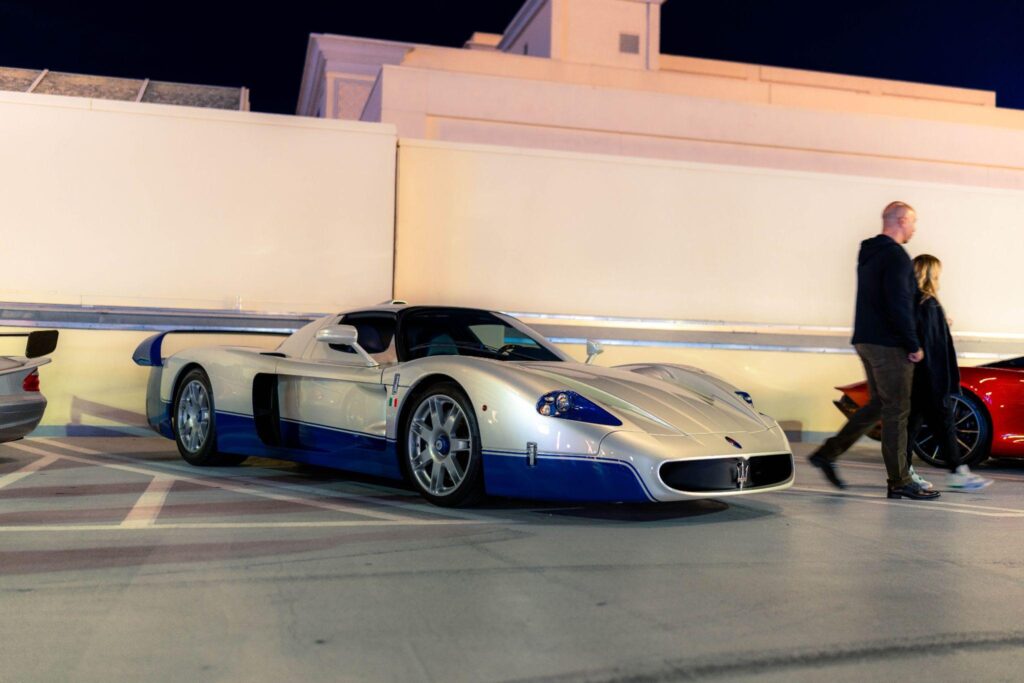
Most sellers focus on mileage, spec, service history, and price. All important. But there’s another factor that directly affects final sale price — and most people overlook it. Presentation In today’s market, buyers don’t walk around your car first. They scroll. And photography is the first impression. Buyers Decide in Seconds Before a buyer reads the description. Before they check the mileage. Before they compare comps. They look at the photos. If the images feel rushed, dark, cluttered, or inconsistent, the listing immediately loses authority. Strong photography does the opposite. It slows the buyer down. It signals care. It communicates confidence. And confidence increases engagement. Perception Drives Value Two identical vehicles. One shot professionally in clean light, correct angles, detailed interior, proper engine bay documentation. The other shot in a driveway at dusk with uneven lighting and limited detail. Which one feels more valuable? Even if the cars are mechanically equal, the presentation changes perception. Perception influences offers. Offers influence final sale price. Detail Reduces Buyer Risk Serious buyers study details: Paint condition Panel alignment Interior wear Steering wheel texture Brake components Undercarriage condition If those details aren’t clearly documented, buyers assume risk. And when buyers assume risk, they discount their offer. Professional photography eliminates doubt. Clear documentation protects leverage. Auctions Amplify First Impressions In auction environments, momentum matters. Strong early engagement drives visibility. Visibility drives competition. Competition drives price. Professional photos increase early clicks and interaction. Weak presentation stalls momentum before it even starts. Once momentum is lost, it’s difficult to recover. Lighting and Composition Matter Good lighting isn’t cosmetic. It defines body lines. It highlights stance. It captures depth in color. Composition matters too: Clean background Correct ride height angle Symmetry in framing No visual clutter This isn’t about “making it look better than it is.” It’s about presenting the vehicle accurately and professionally. Serious buyers expect that standard. Photography Signals a Serious Seller When a listing is presented properly, it communicates one thing: This transaction will be handled properly. That reduces hesitation. Less hesitation = stronger offers. Stronger offers = higher final sale. It’s Not an Expense — It’s Leverage Professional photography costs money. But poor presentation costs more. If stronger photos create more competition, reduce perceived risk, and increase buyer confidence, the return is measurable. In competitive markets, small differences compound. Presentation is one of them. How We Handle It at RAD At RAD Motor Sports, we don’t treat photography as an afterthought. Every vehicle we position for structured sale or auction is evaluated for presentation quality. If it’s not documented properly, it’s not ready. Because the goal isn’t just to list a car. The goal is to position it to win. If you’re considering selling and want to ensure your vehicle is presented correctly from day one, start here: https://radmotorsportsusa.com/sell-my-ride/ Submit the basics. We’ll review the vehicle and determine if it meets our standards for structured sale positioning. No pressure. No obligation. Just a clear conversation about protecting value. Serious machines deserve a serious process. Ryan Tracy Owner, RAD Motor Sports
Pre-Purchase Inspections: What We Look For and Why It Matters

Buying a vehicle without a pre-purchase inspection is gambling. It doesn’t matter how clean it looks. It doesn’t matter how good the photos are. It doesn’t matter how honest the seller seems. If real money is involved, inspection is non-negotiable. Here’s what we look for — and why it protects buyers. Mechanical Integrity First Before cosmetics. Before spec. Before story. We care about mechanical health. That means: Engine performance and compression Oil leaks or coolant seepage Transmission operation Clutch wear (manual vehicles) Suspension components Brake system condition A vehicle can look perfect and still hide expensive problems. Inspection removes guesswork. Signs of Accident or Repair History Not all accidents are deal breakers. But undisclosed damage is. We look for: Panel alignment inconsistencies Paint thickness variations Frame rail inspection Underbody repairs Mismatched hardware A proper inspection tells you whether the car has been repaired correctly — or just cleaned up for photos. Transparency protects value. Modifications Done Right — or Wrong Performance vehicles are often modified. That’s not the issue. The issue is execution. We assess: Quality of parts Professional installation Tuning documentation Supporting upgrades Signs of abuse A properly built car is an asset. A poorly modified one becomes liability. Documentation Verification We don’t just look at the car. We look at the paperwork. VIN confirmation Title status Service records Ownership history Recall completion If the paperwork doesn’t align with the vehicle, that’s a problem. Clarity builds confidence. Road Test Matters A static inspection only tells part of the story. A proper road test reveals: Transmission behavior under load Suspension noise Steering alignment Brake feel Cooling system performance Driving exposes what photos can’t. Why This Matters Buyers get burned when they skip inspection. They rely on: Seller statements Surface-level photos “It runs great” Pressure to move quickly Inspections slow the process down. And slowing down prevents expensive mistakes. A few hundred dollars up front can save thousands later. In Remote Purchases, It’s Critical If you’re buying from another city or country, inspection becomes even more important. You can’t rely on instinct. You can’t “feel it out.” You need third-party verification. Structured buying removes risk. How We Approach It at RAD At RAD Motor Sports, inspections are part of disciplined transactions. Whether representing buyers or reviewing seller submissions, we evaluate vehicles through a mechanical and documentation lens before anything moves forward. Because the goal isn’t just to complete a deal. It’s to complete the right deal. If you’re purchasing remotely or considering listing your vehicle and want a structured evaluation process behind it, connect through the appropriate page on the site. Serious machines deserve serious due diligence. Ryan Tracy Owner, RAD Motor Sports
How to Sell Your Performance Car Without Dealing With Tire Kickers

If you’ve ever tried to sell a performance car privately, you already know the pattern. You list it. Your phone blows up. Half the messages are “Is this still available?” The other half want trades, payment plans, or a test drive with no proof of funds. Meanwhile, you’re sitting on a serious machine — something you’ve built, maintained, and cared for — and it’s getting treated like a commodity. There’s a better way to do this. The Problem With Open Market Listings Platforms like Facebook Marketplace and Craigslist were never designed for enthusiast-level vehicles. They’re built for volume, not quality When you list a performance car on a public platform: You invite unqualified buyers. You field endless lowball offers. You waste time repeating the same details. You expose yourself to risk during random test drives. You end up negotiating from a defensive position. Most sellers don’t realize how much leverage they give away the moment they post publicly. And in this market, leverage matters. Performance Cars Attract Attention — But Not All Attention Is Equal When you own something special — a clean manual M car, a documented Porsche, a properly built off-road truck — it attracts curiosity. But curiosity isn’t commitment. Serious buyers move differently. They: Ask informed questions. Review documentation. Verify condition. Show proof of funds. Respect your time. The issue isn’t demand. The issue is filtration. If you don’t control access to your listing, you end up managing noise instead of negotiating value. The Difference Between Exposure and Positioning Most sellers focus on exposure. More views. More messages. More “interest.” But exposure without positioning creates chaos. Positioning means: Presenting the vehicle professionally. Structuring buyer communication. Pre-qualifying interest. Managing timelines. Controlling how and when offers are submitted. When a vehicle is presented correctly, it stops looking like “just another listing” and starts looking like an opportunity. That shift changes the type of buyer it attracts. Remove Emotion From the Process Selling a performance vehicle is personal. You’ve invested time, money, and energy into it. You know the build story. You know the maintenance history. You know what makes it different. The mistake most owners make is negotiating directly while emotionally attached. When you’re fielding offers yourself: You feel pressure to respond immediately. You get pulled into unnecessary back-and-forth. You entertain offers you already know aren’t serious. You lose momentum. A structured process removes emotion from negotiation and replaces it with clarity. And clarity protects value. Protect the Experience — Not Just the Price A lot of sellers focus purely on final price. But the experience matters too: Who’s showing up to look at your car? How is payment secured? How is transport coordinated? What happens if a buyer backs out? If those questions don’t have structured answers, you’re exposed. Professional coordination — from inquiry to escrow to transport — protects both sides and keeps the transaction clean. A Smarter Way to Sell At RAD Motor Sports, we built our process specifically to eliminate the noise. We don’t blast listings into open chaos. We structure them. We pre-screen buyers. We manage communication. We coordinate logistics. We protect both sides of the deal. The goal isn’t just to sell your car. The goal is to sell it properly. If you’re considering selling a performance vehicle and want to avoid the tire kickers, time-wasters, and lowball chaos, you can start here: https://radmotorsportsusa.com/sell-my-ride/ Submit the basics. We’ll review the vehicle and determine if it’s a fit for our network. No pressure. No obligation. Just a structured conversation about doing it the right way. Serious machines deserve a serious process. Ryan Tracy Owner, RAD Motor Sports
How to Buy a Vehicle Remotely Without Getting Burned

Buying a vehicle remotely isn’t risky. Buying blindly is. More people are purchasing cars across provinces, across borders, and across the country than ever before. The opportunity is bigger. The inventory pool is wider. But so is the risk — if you don’t control the process. Here’s how serious buyers protect themselves. Step One: Slow Down the Excitement If the car feels rare. If the spec feels perfect. If the price feels aggressive. That’s when mistakes happen. Emotion clouds judgment. The first rule of remote buying is simple: Treat it like a business transaction, not a win. No money moves until verification happens. Step Two: Verify Identity — Not Just the Vehicle Before you analyze the car, verify the seller. Full legal name Direct phone call (not just text) Proof they actually possess the vehicle Matching ID to title If the seller hesitates to provide clarity, that’s your answer. Serious sellers don’t hide. Step Three: Demand Real Documentation Photos aren’t proof. You want: VIN confirmation Title status verification Service records Ownership history Cold start video Walkaround video (real-time, not pre-recorded clips pulled from somewhere else) A live video call where the seller walks around the car, shows VIN plates, and starts the vehicle eliminates most scams instantly. If someone refuses live verification, move on. Step Four: Third-Party Inspection If the vehicle is meaningful in value, get a professional inspection. Local independent shops can: Verify mechanical condition Check for leaks Confirm paint condition Identify modifications Validate drivetrain health An inspection cost is nothing compared to inheriting a five-figure problem. Step Five: Secure Payment Properly Never wire funds directly to a stranger without structure. Use: Escrow services Verified dealership channels Structured brokerage platforms Escrow protects both sides. Funds aren’t released until agreed conditions are met. If someone pushes urgency and avoids escrow, that’s not pressure — that’s a red flag. Step Six: Clarify Transport Before Paying Ask: Who coordinates shipping? Is the vehicle insured during transit? When does liability transfer? Are cross-border documents required? Transport isn’t just about moving the vehicle. It’s about risk transfer. That should be clearly defined before money moves. Where Buyers Get Burned Buyers get burned when they: Skip inspection kip verification Trust screenshots Wire funds too fast Let emotion override structure Remote buying isn’t dangerous. Unstructured buying is. A Structured Process Changes Everything At RAD Motor Sports, we work inside structured transactions. Identity verification. Documentation review. Inspection coordination. Escrow options. Transport logistics. When process exists, risk drops dramatically. If you’re considering purchasing a vehicle remotely and want guidance or representation, reach out through the Contact page or review our active inventory under Shop Vehicles. Serious machines deserve a serious process. Ryan Tracy Owner, RAD Motor Sports